In Schools
Last weekend was Carnaval here in the Basque region of Spain. It resembles Halloween in that people are in costume and out in the street but they don't go door to door. There is lots of dancing and singing and celebrating though. In school, all the kids had to dress up. Each class was assigned a particular theme that met with an overall school theme and they performed dances in the school yard. This year's theme for Maia and Morgan's school was Music: Past and Present. Morgan's class dressed in some sort of a Russian themed costume, danced to a song from days of old and then to Thriller. Maia's class was something out of yesteryer with white wigs and long gowns. As you can imagine, she was not too thrilled about the wig part. Her class also danced to the sounds of Bach followed by Lady Gaga.
In the Streets
In addition to the celebrations in schools, the rest of the city celebrates in the streets all weekend. There were a number of parades and a variety of bands from today's music to traditional sounds and instruments, including both Spanish and French Basque regions. In the slide show you will see the gigantes y cabezudos (giants and big heads) which march through the streets. Notice the bags the big heads are holding. They use those to randomly wack people in the streets chasing both children and adults. Pictures were taken in Algorta, the town where we live, and Bilbao, the large city several metro stops away.
At night young people head out in costumes that are quite well done and enjoy carnaval celebrations into the wee hours of the morning. The costumes are often quite elaborate and done in groups to particular themes chosen by the groups. This continues for two weekends in a row and from what I can tell they look forward to it all year long in the same way as our kids look forward to Halloween.
Showing posts with label celebration. Show all posts
Showing posts with label celebration. Show all posts
Sunday, March 13, 2011

Saturday, February 26, 2011
Santa Águeda

As I have mentioned in earlier posts we are in the mountains and back before the days of global warming they used to see lots of snow here. Not unlike what we have known in Wisconsin. Of course hundreds of years ago there weren't ways to bring fresh foods and not much grows in the winter. So, in late January/early February many people were hungry and they took up the tradition of going from door to door singing the praises of those who lived there and asking for a little food. These songs and chats were in Euskera, the language of the Basque people.
 Today the tradition has evolved a bit. Groups of people still gather together, sing and chant going from door to door, business to business but they usually are representing a cause for which they hope to earn a bit of money instead of food. The song is in Euskera and they have a stick decorated with the colors of Euskadi, the Basque region, which they rhythmically pound on the ground. At night there are groups of adults dressed in traditional clothing going through the streets in front of businesses singing for their cause and stopping for glasses of wine along the way.
School children also do this in groups and here is a 2+ minute video taken with my point and shoot camera of what Morgan and Maia's school performed in the streets near their school.
History
Here's a bit of what I learned about the history behind the festival. When the Catholics moved in to take over and spread their religion, they arrived in the Basque region and were a bit lost in what to do. They had no ability to understand the language as there are no Latin origins found in Euskera. They couldn't grow their wheat or their grapes for wine because of the cold climate. They did however want to infiltrate their beliefs. They realized that the Basque people are strong and not willing to give up their lifestyles and celebrations. So, the Catholics decided to let them celebrate as they always did but that they must name their holidays after saints.
This particular celebration took on the name of Santa Águeda although there is not any relation that we can find other than suffering. Santa Águeda back in 200 AD was a virgin martyr. Apparently a senator named Quintianus wanted to take her for himself as part of the persecutions realized by Emperor Decio and she refused. He had her tortured and killed.
There is no relationship to the Saint and the celebration but the Catholics get credit for realizing the best way to move their beliefs into a culture they had no connection with was to simply rename their holidays.
Thursday, February 10, 2011
Día de Paz--Day of Peace
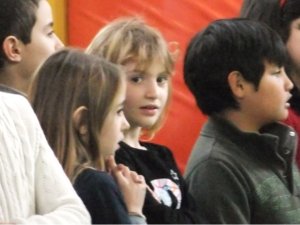 A couple weeks ago there was a celebration on a Friday afternoon at the kids school called Day of Peace. All the students including the preschool kids participated. Each class had a word that was their contribution to a school poster. The words represented part of what was necessary in order to have world peace. Morgan was the representative selected from her class to put the word on the poster. Unfortunately I haven't been able to get a picture of the final product but it had words in Spanish such as friendship, listening, understanding...
Día de Paz-Larrañazubi from Lauren Rosen on Vimeo.
Subscribe to:
Posts (Atom)